The Judge Ruled: Medical Debt Can Stay on Your Credit Report — What That Actually Means for You
hatch blog post image

This week, a federal judge ruled that medical debt can continue to appear on Americans’ credit reports. If that sounds complicated, here’s what’s really going on — and how it impacts you.

What Changed?

Actually… not much — and that’s the problem.

Consumer advocates have been pushing for years to get medical debt off credit reports entirely, arguing it’s often unfair, inaccurate, or misleading. Medical bills are complicated, prone to billing errors, insurance mix-ups, and unexpected charges you may not even know about. Yet, they’ve historically been treated like any other debt on your credit report — hurting your score and potentially blocking you from getting approved for credit, housing, or even a job.

This ruling means that, legally, credit bureaus can keep reporting medical debt — even if consumer protection groups think it shouldn’t be there.

Who’s Impacted?

  • People with unpaid or disputed medical bills
  • Those who’ve been caught in the insurance shuffle (think surprise bills)
  • Anyone struggling with unexpected medical costs

And let’s be honest — that’s a lot of us.

Why It Matters

Your credit report isn’t just a list of debts. It’s your financial reputation. Medical debt showing up on that report can tank your score, even if it was the result of a billing error or insurance delay. And this judge’s ruling keeps the burden on you — the consumer — to fight it.

What Can You Do?

The good news? You don’t have to take this lying down.

  • Know What’s On Your Report – Check all three bureaus — Equifax, Experian, and TransUnion — free at annualcreditreport.com. (Hatch Credit pulls your reports for you when you sign up).
  • Challenge What’s Unfair

    Even if a debt is technically “accurate,” Hatch Credit can help you challenge negative items on your report that are unfair, unverifiable, or outdated — including medical bills.
  • Make Your Voice Heard

    Credit bureaus don’t always want to listen. We know how to make them listen. We work directly with the bureaus and creditors to ask the tough questions and fight for fair reporting .

How Hatch Credit Can Help

We specialize in making sure your credit report actually reflects you. Whether it’s disputing outdated medical collections, asking the hard questions about a creditor’s right to report a debt, or pushing for removals based on fairness — this is what we do every day .

We’re here because we believe in credit fairness. And because no one should have to carry the weight of medical debt mistakes on their financial back.

Check your report. Tell us your story. Let’s get to work.

Join the Hatch Credit Credit community.

Credit-Building for Gen Z: Beyond Cards & Courses
hatch blog post image

Gen Z is stepping into adulthood at a time when the financial landscape is more complex, and less forgiving, than ever before. Saddled with student debt, skyrocketing living costs, and a flood of financial misinformation, they’re looking for real ways to build credit without falling into traps.

At Hatch Credit, we know the traditional advice—”get a secured card,” “take a personal finance course”—isn’t enough. Credit-building isn’t one-size-fits-all, especially for a generation that’s digitally native, socially aware, and tired of being talked down to.

The Gen Z Financial Reality

  • Limited Credit History: Many Gen Zers are “credit invisible,” meaning they lack sufficient credit history to generate a score.
  • Distrust of Big Banks: Growing up during economic downturns has left many wary of traditional financial institutions.
  • Digital-First Expectations: They expect seamless, mobile-first experiences.

Smarter Credit-Building Paths

  1. Rent & Utilities Reporting
    Gen Z is more likely to rent longer—and those on-time rent and utility payments should count. We help our users make sure these payments are reported to credit bureaus.
  2. Credit-Builder Loans
    These are small installment loans where payments build your credit. Hatch Credit works with partners who offer transparent, fair products tailored for first-time borrowers.
  3. Positive Tradeline Management
    Authorized user accounts and shared tradelines can help—but only if done right. We guide users through the risks and rewards so they can make informed choices.
  4. Challenge the Narrative, Not Just the Report
    Negative marks aren’t the end of the story. Hatch Credit advocates for fairness, helping users challenge not just inaccurate, but also unfair or outdated credit report items.

Coaching, Not Condescension

We believe in meeting Gen Z where they are. Hatch Credit’s tools are mobile-first, transparent, and designed to empower, not lecture. We’re here to guide, not gatekeep.

  • Real-time insights: So users see the “why” behind score changes.
  • Personalized action plans: No cookie-cutter advice—just steps tailored to each user’s unique profile.
  • Ongoing support: Because building credit is a journey, not a quick fix.

Bottom Line

Credit-building for Gen Z isn’t about pushing products or preaching outdated advice. It’s about giving young consumers the tools, transparency, and support they need to build a strong financial future—on their terms.

Hatch Credit is here to make sure that the future starts now.

National Spotlight: The Globe and Mail Taps Hatch Credit on Fixing Student Loan Credit Damage
hatch blog post image

Millions of Americans are facing an unexpected setback: their credit scores are dropping because of mistakes tied to student loan repayments. Even borrowers who followed the rules, pausing payments during forbearance or restarting them on time, are discovering missed payments and late marks on their credit reports that don’t belong there.

We think that’s unacceptable. And more importantly, we know it’s fixable.

🚨 What’s Going On?

After years of pandemic-related pauses, student loan payments resumed, but the systems behind them weren’t ready. Misclassified loans, incorrect due dates, and delayed processing have all led to unfair dings on people’s credit reports.

And the fallout is real: Lower credit scores mean higher interest rates, denied applications, and setbacks for people just trying to move forward.

📰 Hatch Credit Featured in The Globe and Mail

This issue was recently covered by The Globe and Mail, one of the most trusted publications in North America. In their article “Student Loan Errors Cause Massive Credit Score Declines for Millions — What Experts Like Hatch Credit Recommend,” Hatch Credit was featured as a helpful voice in a frustrating moment for many.

The article breaks down what’s happening and explores how services like ours are stepping in to help.

💡 What Can You Do?

If your credit has taken a hit from student loan reporting errors, here are a few things to know:

  • You have rights. Under the Fair Credit Reporting Act (FCRA), you can challenge inaccurate, outdated, or unfair items.
  • You don’t have to go it alone. Hatch Credit helps you understand what’s on your report, identify what’s disputable, and tell your story clearly to the credit bureaus.
  • Fixing your credit doesn’t have to be expensive or complicated. We keep it affordable and effective and we start working as soon as you sign up.

💬 Real Help for Real People

At Hatch Credit, we’ve already helped thousands of people take back control of their credit — including many who were hit unfairly by student loan errors. We don’t rely on generic templates. We lean into your personal story and the protections the law provides.

If this happened to you or someone you know, now’s the time to take action. The sooner you start, the sooner you can begin rebuilding.

👉 Learn more or get started now

12 Things We Wish Everyone Knew About Credit
hatch blog post image

Understanding credit doesn’t have to feel overwhelming. At Hatch Credit, we believe that with the right knowledge and support, anyone can build a credit report they’re proud of. Here are 12 truths about credit that we think everyone deserves to know.

1. Your credit report tells a story lenders use to judge you 

Credit isn’t just a score. It’s a detailed record of how you’ve handled debt, and lenders use it to make decisions about your future. Whether you’re applying for a loan, a job, or an apartment, your report matters.

2. Even accurate items can be removed 

Fair doesn’t always mean flawless. If a negative item is outdated, unfair, or unverified, it can be challenged and possibly removed. That’s where Hatch Credit comes in, helping your report better reflect who you are today.

3. You have three credit reports, and they’re often not the same 

Experian, Equifax, and TransUnion each keep their own version of your credit history. That means one report could have errors the others don’t. Checking all three is important.

4. Payment history matters the most 

Late payments are the most influential factor in your credit score calculation, especially if they’re recent. If you’re getting ready to apply for credit, consider if any of your late payments are challengeable for being unfair or unsubstantiated. Hatch Credit can help.

5. Not all credit scores are created equal 

Lenders may use FICO, VantageScore, or even a custom model. Your score can vary depending on the source, but the fundamentals like on-time payments, low balances, and a healthy mix of credit still apply.

6. Collections don’t automatically mean you’re stuck 

Collections can hurt, but they’re not permanent. Inaccurate or unfair accounts can be disputed, and even legitimate ones can be taken off of your credit report. Consider the dates, the balances, and note any discrepancies to improve your chances of removal.

7. You can check your credit without hurting your score 

Soft inquiries, like checking your own credit, have no impact on your score. It’s a smart habit and the first step to understanding where you stand. Knowing what’s on your credit reports is half the battle, if you haven’t seen yours recently, it’s worth the time.

8. Hard inquiries fade, and not all of them should be there 

Hard credit pulls however can affect your score temporarily, but they drop off over time. Hard inquiries usually stop impacting your score after just 12 months. If you didn’t authorize a hard inquiry, it is possible to get it removed.

9. Your credit utilization is a moving target, not a fixed label 

Utilization reflects how much of your available credit you’re using. It changes as your balances change, and keeping it low can boost your score. Depending on your debt, consider getting utilization under 50%, 30% and 15% for the best impact to your scores.

10. Medical debt is treated differently from other kinds of debt 

Medical bills now get special treatment in credit reporting. Some are excluded from reports entirely, and paid medical collections may not hurt your score. And unexpected medical bills are often a reason we see customers miss other obligations. If you miss payments due to medical emergencies, that can be shared with the bureaus and help with keeping your reports clean.

11. Disputing errors is your legal right, not a loophole 

The Fair Credit Reporting Act gives you the right to challenge any item that isn’t fair, accurate, or verifiable. This isn’t gaming the system, it’s your literal right. We built Hatch Credit to help folks leverage these rights in a simple, affordable, and approachable way. 

12. You don’t have to figure this out alone 

Credit can be confusing, but you don’t have to navigate it solo. Hatch Credit is here to support you every step of the way, with tools and a team that care about your progress.

You deserve a credit report that tells the full story, the real story. Let us help you write the next chapter. Check out hatchcredit.com today to learn more about how we can help you.

The Real Cost of Credit Repair: What You’re Paying For (and What You Shouldn’t Be)
hatch blog post image

Credit repair isn’t a luxury, it’s often a lifeline. Whether you’re trying to qualify for a home loan, get approved for an apartment, or just feel confident that your credit report reflects your reality, fixing credit mistakes is a deeply personal and often urgent need.

But in an industry that’s historically been filled with fine print, overpromises, and overpriced services, it’s hard to know what you’re actually paying for and whether it’s worth it.

Let’s break down the real cost of credit repair, compare what’s out there, and show you why Hatch Credit was built to be different.


What’s Out There and What They Charge

💸 Traditional Credit Repair Companies

These are the big-name firms that have been around for decades. You’ve probably seen their ads promising to “fix your credit fast.” They typically charge:

  • $89 to $149 per month
  • Additional setup fees from $100 to $200

What you often get: generic dispute letters, minimal updates, and customer support that feels more like a call center than a credit advocate.

⚠️ Too-Good-To-Be-True “Fixes”

Then there are the shady operators: companies that promise “guaranteed results” or “instant credit boosts” if you pay upfront. These often involve:

  • Creating fake credit profiles (which is illegal)
  • Disputing everything blindly, without strategy
  • Charging large fees without clear contracts

These aren’t just bad deals, they’re risky. Working with the wrong credit repair service can actually make your credit situation worse.

🛠 DIY Credit Repair

The most affordable path is the do-it-yourself route. You can request your free reports from the credit bureaus and submit your own disputes. This approach costs very little out of pocket, but it costs time, knowledge, and persistence. And it doesn’t help much if you’re not sure what to dispute or how to tell your story.


What Are You Actually Paying For?

Here’s what any good credit repair service should include:

  • 📊 Credit report analysis: Understanding the root causes of negative marks
  • ✍️ Drafting and submitting disputes: Communicating clearly and legally with bureaus
  • 📞 Following up with creditors: Keeping pressure on for resolution
  • 🛠 Personalized support: Crafting strategies based on your story, not boilerplate templates

The question isn’t just how much it costs, but whether you’re getting meaningful, fair, and complete service.


How Hatch Credit Is Different

We started Hatch Credit after working inside the credit repair industry and seeing firsthand how broken it is. We’re not here to rinse-and-repeat what’s already out there. We’re here to rewrite the playbook. Here’s how we’re different:

✅ Transparent Pricing

There are no hidden setup fees. No vague billing structures. We charge a crystal clear $39.99 a month and you can cancel anytime. 

🧭 Fairness, Not Just Accuracy

Most services only challenge items that are factually incorrect. We go further. Under the Fair Credit Reporting Act, even accurate items can be removed if they’re unfair, outdated, or unverifiable. Life is complicated. Your credit report should reflect that.

🧩 All Three Bureaus, Always

Most competitors only focus on one or two bureaus. That’s not good enough. Hatch Credit works with Equifax, Experian, and TransUnion to make sure your report is clean no matter who’s pulling it.

❤️ Support That Feels Human

You’re not just a case number. We work with you to understand what was going on when those late payments, collections, or inquiries showed up, and build a strategy that’s rooted in your reality.


What to Watch for in Any Credit Repair Service

Before you give your money (and trust) to any credit repair service, ask:

  • Is the pricing clear and fair?
  • Do they work with all three bureaus?
  • Can they help remove accurate items if they’re unfair?
  • Do they offer personalized support?
  • Do they avoid upfront promises or guarantees?

If the answer to any of these is no, keep looking.


Conclusion: Credit Repair Shouldn’t Cost Your Peace of Mind

Fixing your credit shouldn’t mean getting scammed. It shouldn’t mean waiting months for vague updates. And it definitely shouldn’t mean draining your bank account just to tell your own story.

At Hatch Credit, we believe that credit repair should be fair, affordable, and built around you. Because credit isn’t just about numbers. It’s about your story and your future.

Let us help you tell that story.

👉Join Hatch Credit Today and start preparing your credit for the things you want next. No inflated costs. No false promises. Just real results, the right way.

From Classroom to Collections: Student Loan Defaults Return to Credit Reports for the First Time since 2020.

After years of federal student loan relief, millions of borrowers are now facing a new reality: repayment is back. And for many, it’s wreaking havoc on their credit.

More than 1 in 5 borrowers have already fallen behind on their student loans since payments resumed in late 2023. After years of stability, the national average credit score is actually dropping, marking the first major decline in over a decade. It’s a clear signal: the aftershocks of paused payments are loud and personal.

At Hatch Credit, we believe credit reports should be fair, accurate, and a full reflection of who you are, not just the hard moments you’ve endured. Here’s what you need to know, and how we can help.

The Spike in Delinquencies. What’s Happening?

After the pandemic-era payment pause, millions of Americans weren’t ready to restart monthly student loan payments. Between rising costs of living, confusing loan servicing transitions, and lack of clear communication, it’s no surprise that delinquencies are spiking.

This moment highlights a key truth: credit reports don’t always capture the full story. And when millions of people are struggling through the same broken system, it’s time to rethink how we measure “financial health.”

The Hit to Credit Scores

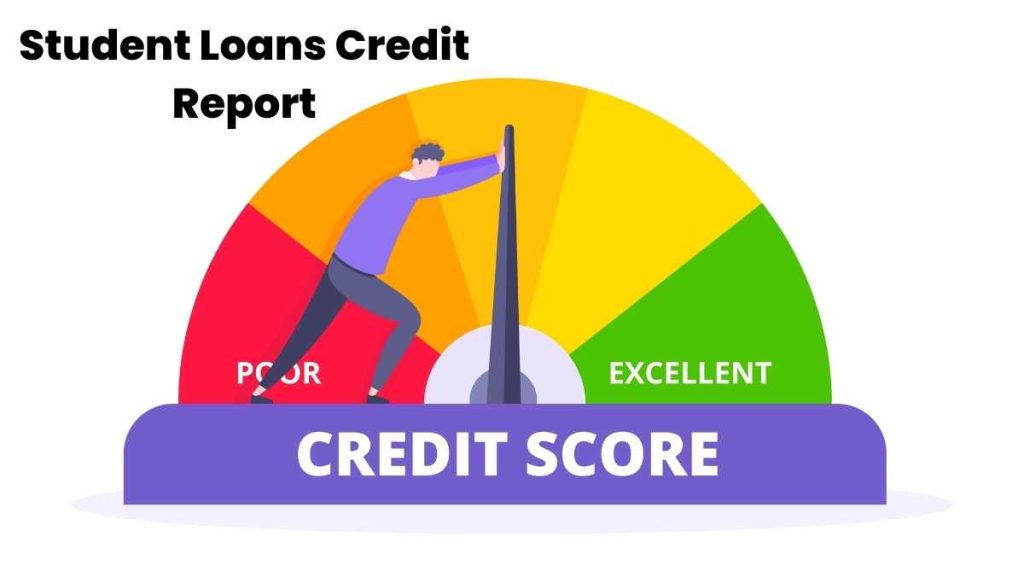
FICO scores, which most lenders use, weigh payment history as the single most important factor, making up 35% of your total score. When student loans go unpaid, they often appear as 30-, 60-, or even 90-day late marks, hammering your credit. We’ve seen drops as dramatic as 170 points after just one missed payment.

Millions are already feeling it. 2.7 million borrowers have missed payments since the restart, and we’ve already seen score drops as big as 170 points from just one late student loan payment.

And it doesn’t stop at numbers. Bad credit can slam the door on renting an apartment, buying a car, even getting a job.

At Hatch Credit, we help our people fight back: challenging negative items that are inaccurate, unfair, or unverified. Life happens and your credit report should reflect your resilience, not just your setbacks.

Who’s Getting Hit Hardest?

First-time borrowers and younger adults are feeling the impact the most. With thinner credit files and shorter credit histories, they have fewer positive accounts to offset the damage of a missed student loan payment.

One missed payment? on a thin file? It can feel catastrophic.

That’s why Hatch Credit is committed to educating and empowering borrowers early in their credit journeys to take ownership of their reports and fight for fairness.

Why This Isn’t Just About Money

The impact of student loan delinquency goes far beyond financial statements. Borrowers report feeling overwhelmed, ashamed, and isolated when faced with dropping credit scores.

And the consequences aren’t just emotional: bad credit can mean getting denied for a job, paying higher insurance premiums, struggling to rent an apartment, or losing access to basic financial tools like credit cards.

At Hatch Credit, we stand by the belief that you are more than a score. We’re here to restore dignity to your financial story.

What Borrowers Can Do

If you’re feeling overwhelmed, you’re not alone — and you have options.

  • Review your credit reports to see what’s being reported today
  • Explore income-driven repayment plans to lower your monthly payment
  • Communicate proactively with your loan servicer about hardship options
  • Work with Hatch Credit to get a grasp of your credit today and to challenge the negative things hurting your score

If you’ve fallen behind and your credit report isn’t telling the full story we’re here to fight for you.

Bonus Insight: How Scoring Models Handle Late Payments Differently

Not all credit scores weigh late payments the same way. FICO treats all late payments equally harshly, while newer VantageScore models weigh mortgage delinquencies more heavily than other types. Either way, a student loan delinquency can severely hurt your ability to access affordable credit.

That’s why Hatch Credit embraces a “More Than Accuracy” philosophy: even if a negative mark is “accurate,” it doesn’t always mean it’s fair — and we work to help ensure your report reflects the truth of your journey.

You’re More Than a Score.

This is just a chapter, not your whole story. A temporary dip in your credit does not define you. With the right tools, the right mindset, and the right people in your corner, you can rebuild stronger than ever.We’re here to help. Let’s get started.